top of page

Essential Guide to Adaptive Technology Products and Services

  • Writer: Pamela Aimufua
    Pamela Aimufua
  • Nov 7, 2025
  • 4 min read

Adaptive technology has transformed the way people with disabilities interact with the world. These products and services help individuals overcome barriers, improve independence, and enhance quality of life. This guide explores the most useful adaptive technologies available today, practical examples of their use, and how to choose the right solutions.


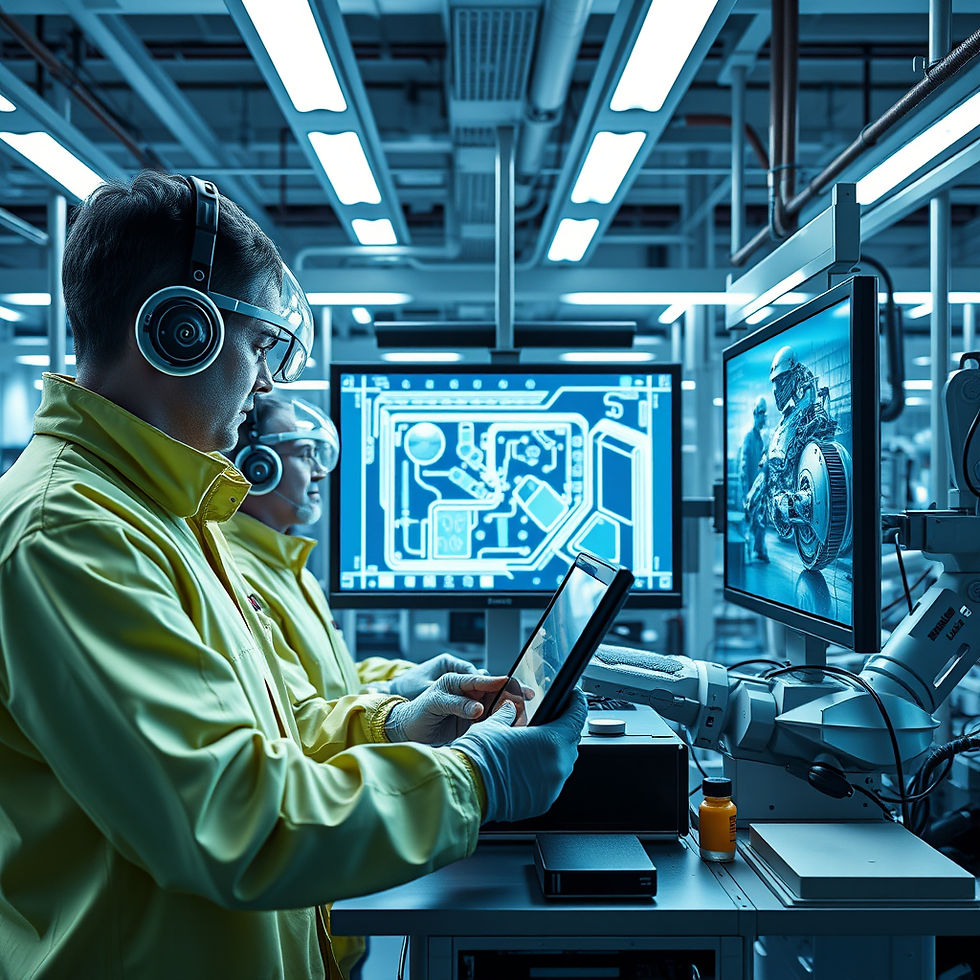
Eye-level view of a modern adaptive communication device on a desk
Adaptive communication device designed for people with speech impairments

What Is Adaptive Technology?


Adaptive technology refers to tools and devices designed to assist people with disabilities in performing tasks that might otherwise be difficult or impossible. These technologies can be hardware, software, or a combination of both. They address a wide range of challenges related to mobility, vision, hearing, communication, and cognitive functions.


The goal is to provide support that fits individual needs, enabling users to participate more fully in education, work, and daily life.


Categories of Adaptive Technology Products


Adaptive technology covers many areas. Here are some of the main categories:


Mobility Aids


These devices help people move more easily and safely. Examples include:


  • Wheelchairs: Manual and powered options with customizable features.

  • Scooters: Electric scooters for outdoor and indoor use.

  • Walkers and Canes: Designed for stability and support.

  • Stair Lifts and Ramps: To navigate architectural barriers.


Vision Assistance


For individuals with low vision or blindness, technology can provide access to information and navigation:


  • Screen Readers: Software that reads text aloud.

  • Magnification Devices: Electronic magnifiers and screen zoom tools.

  • Braille Displays: Devices that convert text to Braille.

  • Navigation Aids: GPS apps designed for visually impaired users.


Hearing Support


Adaptive technology for hearing loss includes:


  • Hearing Aids: Devices that amplify sound.

  • Cochlear Implants: Surgically implanted devices for severe hearing loss.

  • Assistive Listening Devices: FM systems and amplified telephones.

  • Captioning Services: Real-time text for conversations and media.


Communication Tools


People with speech or language difficulties benefit from:


  • Speech Generating Devices: Tablets or dedicated devices that produce speech.

  • Communication Boards: Visual aids with symbols or words.

  • Text-to-Speech Software: Converts typed text into spoken words.

  • Sign Language Apps: Tools to learn or translate sign language.


Cognitive Assistance


Technology can support memory, attention, and organization:


  • Reminder Apps: Alerts for medication or appointments.

  • Task Management Tools: Simplified planners and checklists.

  • Reading Aids: Software that highlights text or reads aloud.

  • Environmental Control Units: Devices to control lights, TV, or appliances.


How Adaptive Technology Improves Daily Life


Adaptive technology products and services can make a significant difference in many areas:


  • Education: Students with disabilities can access textbooks, participate in class, and complete assignments independently.

  • Employment: Tools like screen readers or ergonomic keyboards enable people to perform job tasks effectively.

  • Home Life: Smart home devices and mobility aids increase safety and comfort.

  • Social Interaction: Communication devices help users connect with family and friends.

  • Healthcare: Monitoring devices and reminder systems support health management.


Choosing the Right Adaptive Technology


Selecting the best adaptive technology depends on several factors:


Assess Needs and Goals


Understanding the specific challenges and what the user wants to achieve is essential. For example, a person with limited hand movement might need voice-activated software rather than a traditional keyboard.


Consult Professionals


Occupational therapists, speech therapists, and rehabilitation specialists can recommend appropriate devices and provide training.


Consider Usability


The technology should be easy to use and reliable. Complex setups or frequent maintenance can discourage use.


Budget and Funding


Adaptive technology can be costly. Look for funding options such as government programs, nonprofit organizations, or insurance coverage.


Trial Periods


Whenever possible, try devices before purchasing to ensure they meet needs and preferences.


Examples of Adaptive Technology in Action


  • A student with dyslexia uses text-to-speech software to listen to reading assignments, improving comprehension and reducing fatigue.

  • An individual with limited mobility drives a powered wheelchair with a joystick control customized for their hand movement.

  • A person with hearing loss uses an amplified telephone and captioning app to communicate clearly with family.

  • Someone with speech impairment uses a tablet with a speech-generating app to participate in conversations at work.


Future Trends in Adaptive Technology


Technology continues to evolve, offering new possibilities:


  • Artificial Intelligence: AI-powered apps can personalize assistance and predict user needs.

  • Wearable Devices: Smart glasses and watches provide real-time support.

  • Brain-Computer Interfaces: Emerging tools that translate brain signals into commands.

  • Improved Accessibility Standards: Software and websites designed with universal access in mind.


Resources for Finding Adaptive Technology


  • Assistive Technology Industry Association (ATIA): Offers product directories and educational resources.

  • AbleData: A comprehensive database of assistive products.

  • Local Disability Services: Many communities have centers that provide assessments and device loans.

  • Online Marketplaces: Specialized retailers focus on adaptive technology products.


Final Thoughts


Adaptive technology opens doors for people with disabilities, helping them live more independent and fulfilling lives. By understanding the types of products available and how to choose the right ones, users and caregivers can find solutions that truly fit their needs. Exploring options, seeking expert advice, and staying informed about new developments will ensure the best outcomes.


If you or someone you know could benefit from adaptive technology, start by identifying specific challenges and researching available tools. Reach out to professionals and organizations that specialize in assistive devices. Taking these steps can lead to greater freedom and opportunity every day.


Comments


bottom of page